


Study 18:
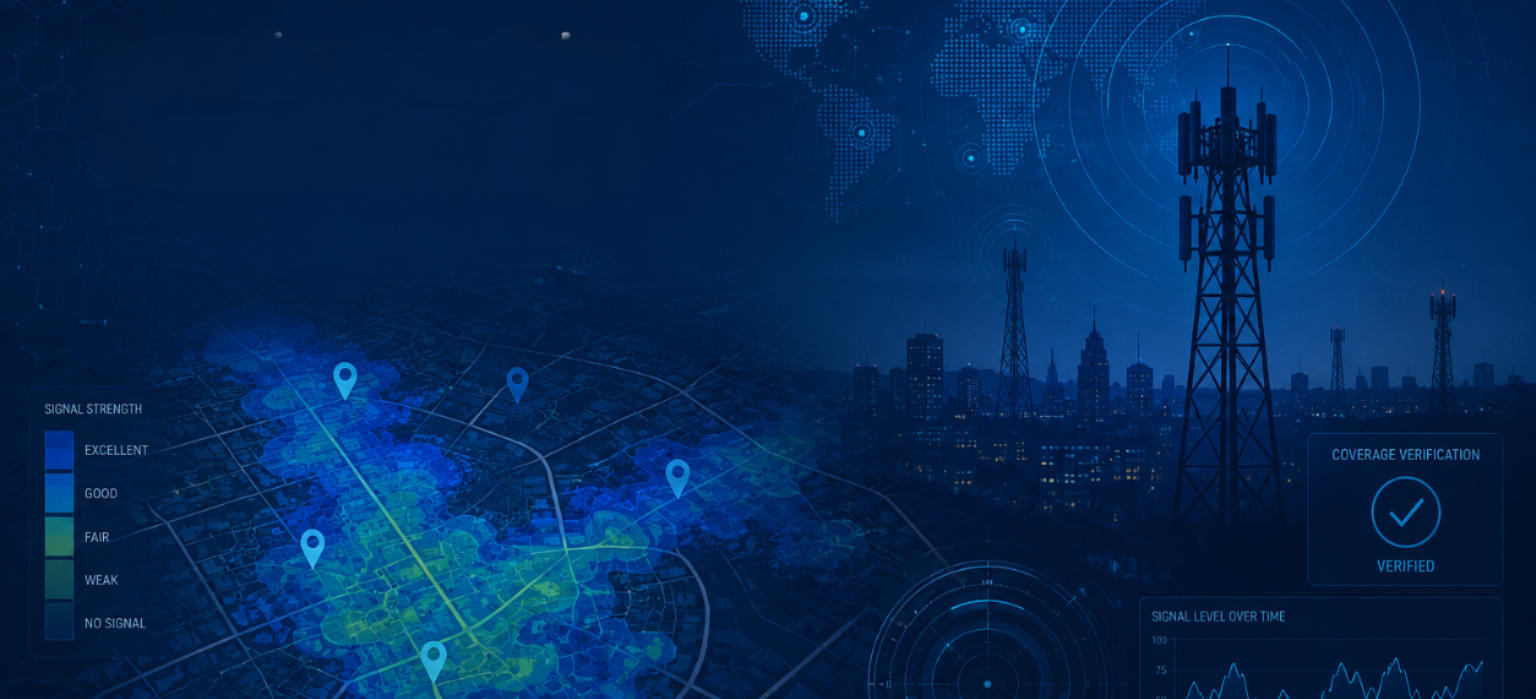
Study of methods and techniques for surveying and verifying coverage by radiocommunication services
Download as PDF (Czech) Translated into English (PDF) Summary leaflet (PDF)
Monitoring the radio spectrum and radio signal coverage of a geographical area is crucial for ensuring the efficient and safe use of radio frequencies. The radio spectrum is a limited natural resource that must be managed to prevent interference between the various services and applications operating within it. This is particularly important today, when many sectors rely on the long-distance transmission of information via wireless networks. These typically include industry, public safety, defence and, of course, meeting the communication needs of private end-users.
Monitoring radio signal coverage of a geographical area is, in principle, well managed today. Methodologies and adequate tools exist. However, the problem lies in the increasing number of monitored frequency bands, the demands for accuracy and speed of monitoring, and the growing volume of monitored parameters. These growing demands are leading to a search for new monitoring techniques that would build on existing ones or serve as a complement to them.
Based on the terms of reference and taking into account technological developments in this field, the study focuses on selected methods of determining and verifying coverage, which include the use of satellites and drones, the use of software tools, and the processing of large volumes of data. The study also examines the possibilities for determining the interdependence of monitored parameters for the evaluation of services provided according to new criteria. In preparing the study, the main focus was on mobile service coverage, particularly 5G services.
Seminar: "Network Planning, Mapping, and Quality Measurement"